
Key Takeaways
- Natural changes in balance, vision, and muscle strength can increase fall risk with age.
- Certain medications and recent dosage changes can affect steadiness.
- Simple home adjustments, like grab bars and better lighting, can reduce hazards.
- Daily movement and regular health checks support better stability.
- Assisted living communities offer accessible design and attentive support to help keep residents safe.
What You Should Know About Falls and Aging
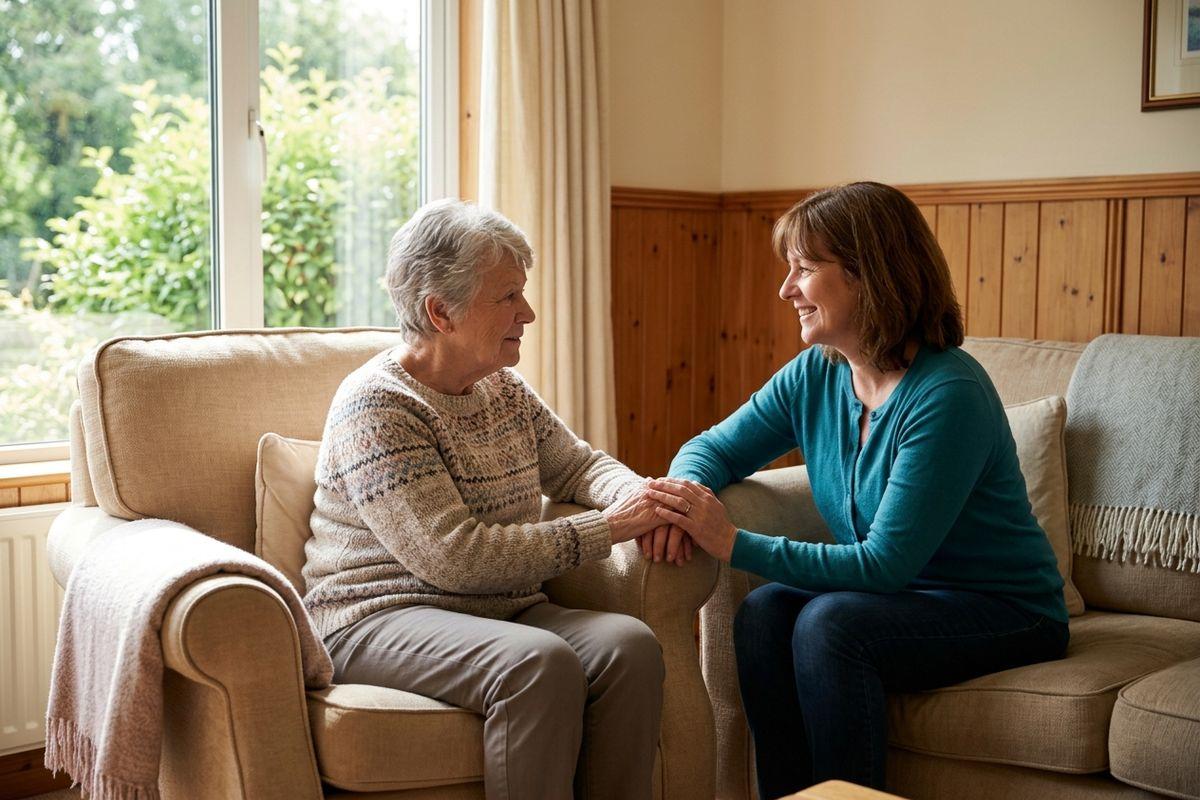
A fall can happen in an instant, but the factors behind it often build up over time. For many families, a loved one’s fall becomes the moment they realize that something needs to change. It’s a scary experience, but it’s also an opportunity to take action and put better support in place.
Falls are one of the most common concerns for older adults, but many of the risks that lead to them can be reduced with the right knowledge and environment. Whether you’re looking out for a parent, a spouse, or yourself, knowing what causes falls and how to prevent them can make a real difference in everyday safety and stability.
Why Falls Happen More Often with Age
As the body changes over time, certain shifts happen that can quietly affect stability. Balance becomes harder to maintain when vision changes, inner ear function declines, or hearing shifts. These aren’t dramatic changes, but over time, they add up in ways that affect how steadily a person moves through their day. Learning more about what causes balance issues in older adults can help you spot warning signs early.
Muscle weakness and slower reflexes also play a role. When muscles aren’t as strong as they once were, the body takes longer to respond to a stumble or an uneven surface. Certain health conditions that affect coordination or blood pressure can make this even more noticeable, especially when standing up from a chair or bed too quickly.
Medications and Their Role in Fall Risk
It might surprise you to learn that medications are a significant part of the fall-risk puzzle. Some medications cause dizziness, lightheadedness, or mental fogginess, all of which can throw off a person’s balance. Blood pressure medications, sleep aids, and some antidepressants are among the types that can have this effect.
Taking four or more medications at once raises the risk further, since different drugs can interact in unpredictable ways. Recent changes to a medication routine, whether that’s a new prescription or a change in dosage, can also affect steadiness in the short term. Staying in close communication with a healthcare provider about any side effects is a helpful step in managing this risk.
Home Hazards That Make Falls More Likely
Common Trouble Spots Inside the Home
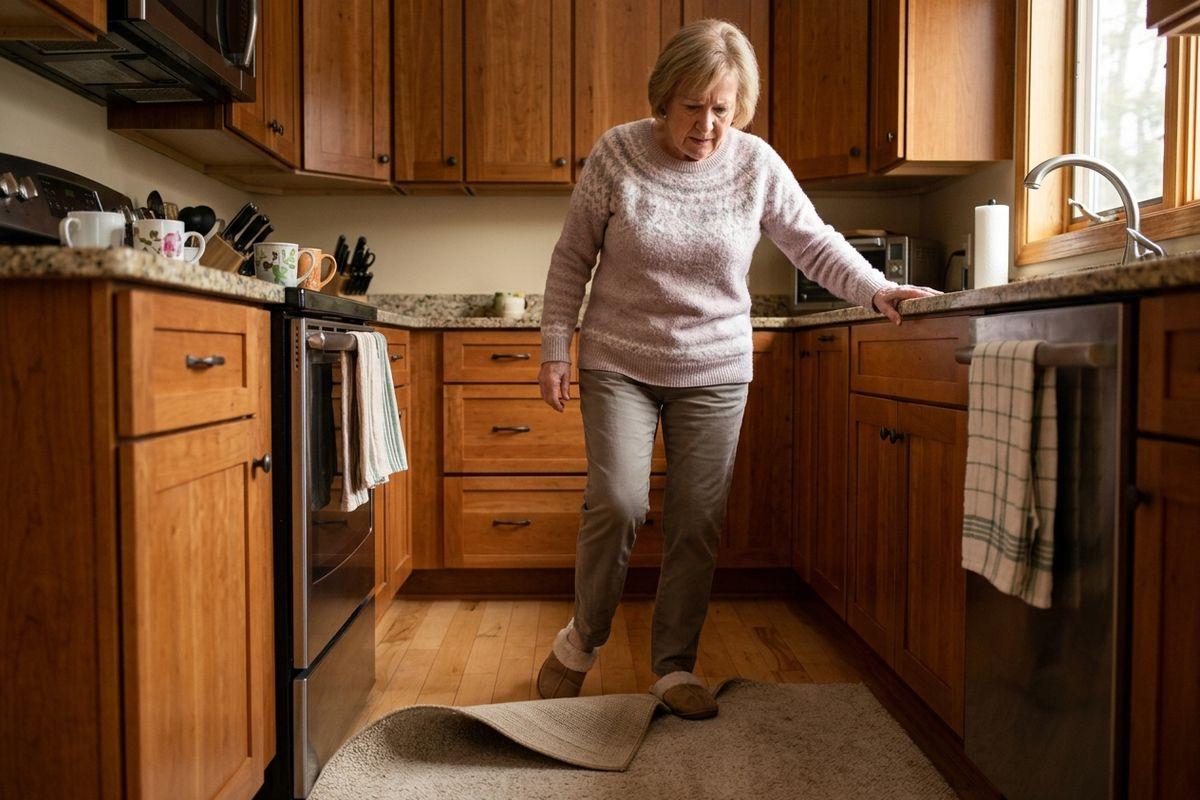
The home is where most falls occur, and many hazards are hidden in plain sight. Loose rugs that shift underfoot, dimly lit hallways, and cluttered walkways are among the most common culprits. A hallway that feels perfectly safe during the day can become a real tripping hazard at night without proper lighting.
Bathrooms are another high-risk area. Slippery floors, especially when wet, and the lack of grab bars near the toilet or shower can make routine tasks feel risky. Uneven surfaces, worn stair treads, or staircases without secure handrails are also worth addressing sooner rather than later. It’s worth researching fall prevention strategies, including home safety modifications.
Simple Changes That Make a Big Difference
The good news is that many home hazards are straightforward to fix. Adding grab bars in the bathroom and sturdy handrails along staircases can immediately improve safety. Night lights placed in hallways and bathrooms help when visibility is low, and they’re easy to install.
Wearing shoes with nonskid soles indoors, rather than socks or slippers, adds another layer of stability. Clearing pathways of clutter and securing loose rugs with non-slip backing, or removing them entirely, can reduce tripping risks significantly. Small changes like these can reshape how safely a person moves through their own home. Exploring daily living aids for older adults is another great way to find practical tools that support independence at home.
Practical Ways to Reduce Fall Risk Every Day
Stay Strong and Steady
Regular movement is one of the most effective ways to support balance and strength. Walking, gentle yoga, and light strength training all help the body stay responsive and stable. Even short, daily sessions add up over time and can help improve coordination in a meaningful way. For guidance on where to start, a look at why balance exercises matter for seniors can point you in the right direction.
Standing up slowly after sitting or lying down is another simple but valuable habit. Taking a moment before walking allows blood pressure to stabilize, which can prevent that dizzy sensation that sometimes leads to a stumble.
Regular Health Checks That Matter
Annual vision checks catch small changes before they become bigger safety concerns. Even a subtle shift in eyesight can affect depth perception and make it harder to navigate steps or uneven ground. Foot health is another often-overlooked factor, as pain or ill-fitting footwear can alter the way a person walks and shifts their weight.
Using a cane or walker correctly, when one is recommended, adds real stability. It’s worth taking the time to confirm the right fit and technique, since an improperly used mobility aid can sometimes do more harm than good.
How Assisted Living Supports Fall Prevention
Assisted living communities are thoughtfully designed with safety in mind. Accessible layouts, wide hallways, and features like grab bars and even flooring help residents move through their day with greater ease. The environment itself is built to encourage safe, independent movement without unnecessary obstacles.
Trained caregivers are available to offer daily support, whether that means helping with mobility, keeping an eye out for hazards, or simply being nearby when a resident needs a hand. Beyond physical safety, the community setting keeps residents socially connected and active, which supports overall well-being and reduces the risks that come with isolation. You can learn more about how social connections support resident wellness and play a meaningful role in healthy aging.
Take the Next Step Toward Safer Senior Living
Falls are a real concern, but they don’t have to define your loved one’s daily life. With the right awareness, a safer home environment, and the attentive care a senior living community can provide, the risks can be meaningfully reduced.
All American Assisted Living at Hanson offers memory care, respite care, and assisted living options designed to support independence and safety every day. Reach out to schedule a tour and see how the right support can open up a whole new chapter.