
Key Takeaways
- Independence goes beyond daily tasks; it shapes identity, purpose, and emotional well-being
- Staying active and socially connected supports both physical and mental sharpness
- Families can help by encouraging choices, hobbies, and meaningful routines
- Assisted living, memory care, and respite care support independence rather than replace it
- Senior living communities offer personalized care designed to help older adults thrive
What Independence Really Means for Older Adults
When you picture independence, you might think of someone handling chores on their own or driving themselves to appointments. But for older adults, independence runs much deeper than that.
It’s about waking up and choosing how your day unfolds, from what you eat for breakfast to who you spend time with in the afternoon.
All American Assisted Living at Hanson is built around that very idea, that real independence deserves to be protected and celebrated at every stage of life.
True independence covers 3 connected areas: physical, social, and psychological. It’s the ability to move through your day on your own terms, stay connected to the people who matter, and feel capable in your own choices.
When those things are in place, life feels fuller and more meaningful, no matter your age. Explore the different senior living options available to see how the right level of support can make all the difference.
The Real Benefits of a More Independent Life
A Stronger Sense of Self and Purpose
There’s something powerful about making your own decisions, even small ones. Choosing what to wear, planning your afternoon, or picking up a hobby you love all send a quiet message: your preferences matter.
Those small wins add up over time and play a meaningful role in emotional well-being. If you’re looking for simple ways to spark more joy day to day, these tips for finding joy in everyday tasks can be a wonderful starting point.
When older adults feel in control of their lives, they tend to feel more like themselves. That connection between autonomy and identity is real, and it’s worth protecting. Helping your loved one hold onto that sense of self is one of the kindest things you can do.
Physical and Mental Sharpness
There is an effortless joy in staying active when it’s woven directly into your day-to-day rhythm.
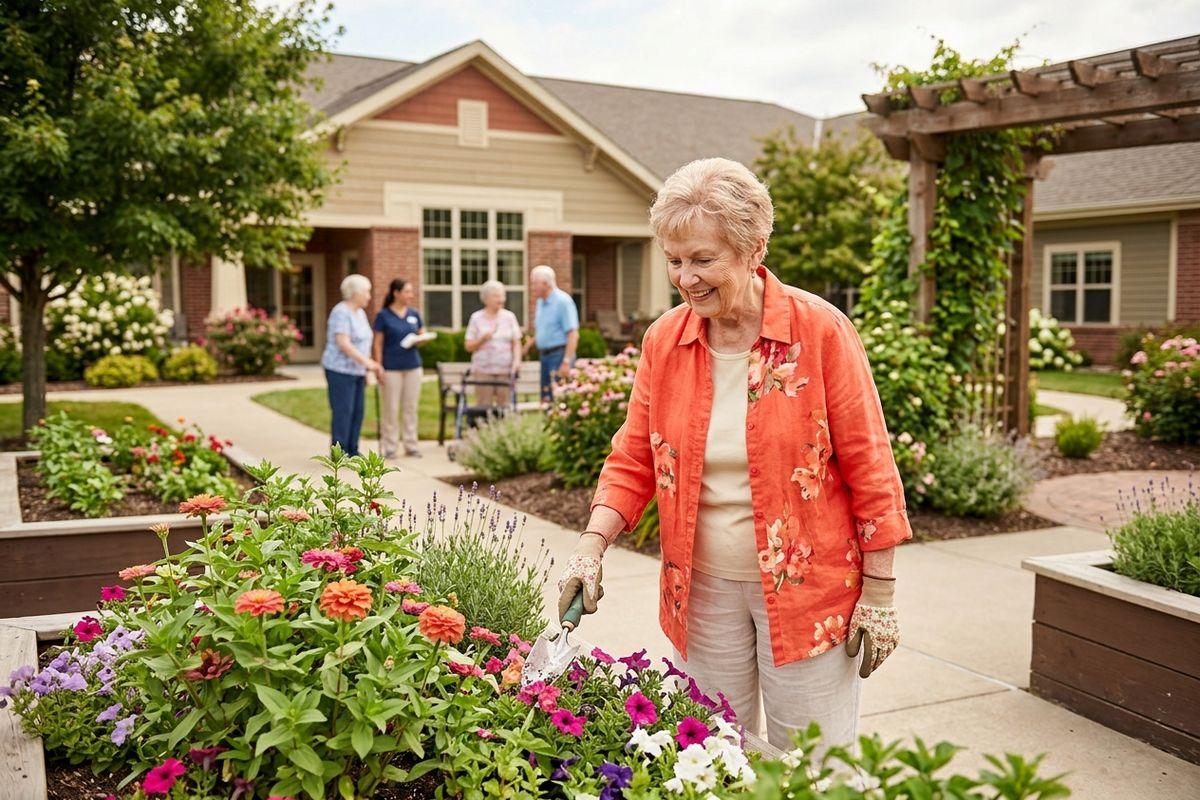
Chopping vegetables for dinner, taking a walk with neighbors, or pulling weeds in a flowerbed all keep the body moving naturally. These everyday activities can all offer stress-free ways to protect your mobility and balance while simply enjoying your life.
The great outdoors offers a wonderful backdrop for this independence. Immersing yourself in nature through relaxing hobbies like birdwatching or photography can naturally lift your mood and invite gentle movement.
Every independent decision you make—big or small—keeps your brain alert and active. That mental autonomy is a powerful, quiet form of exercise that helps older adults stay connected, independent, and thriving.
The Power of Social Connection
Social connection is one of the most overlooked pieces of a healthy lifestyle. When older adults stay involved in a community, share meals with neighbors, or join group activities, they experience less loneliness and more joy. Those interactions add color and purpose to everyday life.
Community involvement gives people something to look forward to. Whether it’s a weekly card game or a shared creative class, those moments of connection remind your loved one that they’re part of something bigger than themselves.
A look at the role of social connections in resident wellness shows just how deeply those bonds can shape everyday life.
How Families Can Support a Loved One’s Independence
Supporting independence doesn’t mean stepping back completely. It means stepping in thoughtfully.
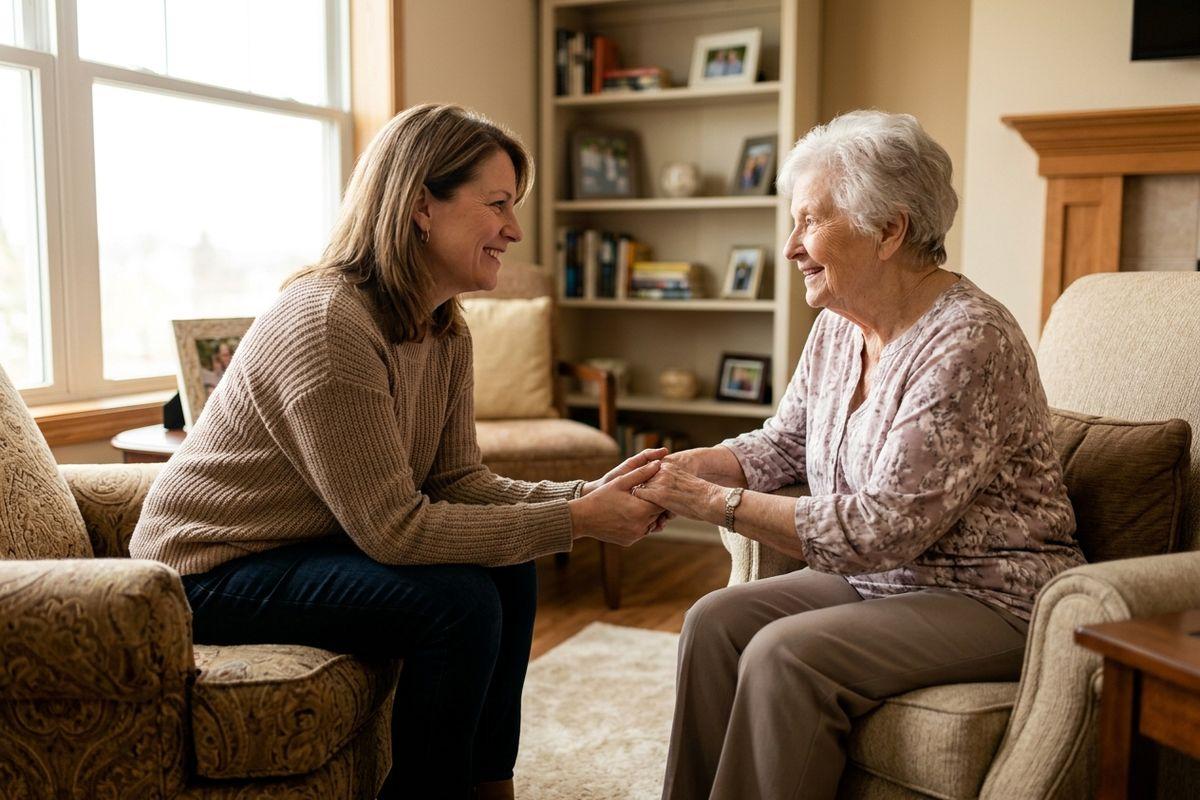
You can start by letting your loved one make everyday choices, from picking their meals to setting their own schedule. Encourage your loved one’s hobbies, social activities, and time with friends. Those small acts of autonomy add up to a meaningful sense of freedom.
When you’re navigating this conversation with a parent, guidance on how to talk to your loved one about senior living can help you approach it with care.
And here’s something worth keeping in mind: accepting the right kind of help can actually preserve independence. When your loved one gets support in the areas they need most, they’re freed up to focus on the things they love doing.
How Assisted Living Supports, Not Replaces, Independence
The Right Level of Care at the Right Time
Assisted living is often misunderstood. Many families worry it means giving up freedom, but the reality is quite the opposite.
A well-designed assisted living community balances personalized care with personal choice, so residents can do more of what they love with the right support close by.
Communities build spaces with accessibility in mind so that residents can move through their day more freely and comfortably. That setup empowers your loved one to take care of themselves in ways that feel natural and dignified.
Memory Care and Respite Care as Independence Tools
Memory care is designed to protect dignity and maintain routine for those living with cognitive changes. Familiar rhythms and compassionate support help residents feel grounded and capable, even when challenges arise.
Respite care offers something equally valuable: short-term support when it’s needed most. Whether your loved one is recovering from surgery or your family simply needs a little breathing room, respite care provides attentive, temporary support that helps everyone feel steady and supported.
You can learn more about when respite care may be the right choice for your family.
Taking the Next Step Toward a More Independent Life
A senior living community isn’t a step back. It’s a fresh start. With personalized care options like assisted living, memory care, and respite care, older adults can rediscover routines, build new connections, and live with real purpose every single day.
All American Assisted Living at Hanson is here to help your family explore what that could look like. Visiting for a tour can answer your questions, ease your worries, and show you firsthand what a supportive, independence-focused community feels like.
Reach out today, and take that first step together.