

Key Takeaways
- “Home” usually describes a feeling of safety and comfort, not a specific address.
- Calm reassurance works far more gently than correcting or arguing.
- Hunger, tiredness, noise, and boredom can all spark the request.
- Familiar music, photos, and fresh air can ease restless moments.
When Your Loved One Asks to Go Home
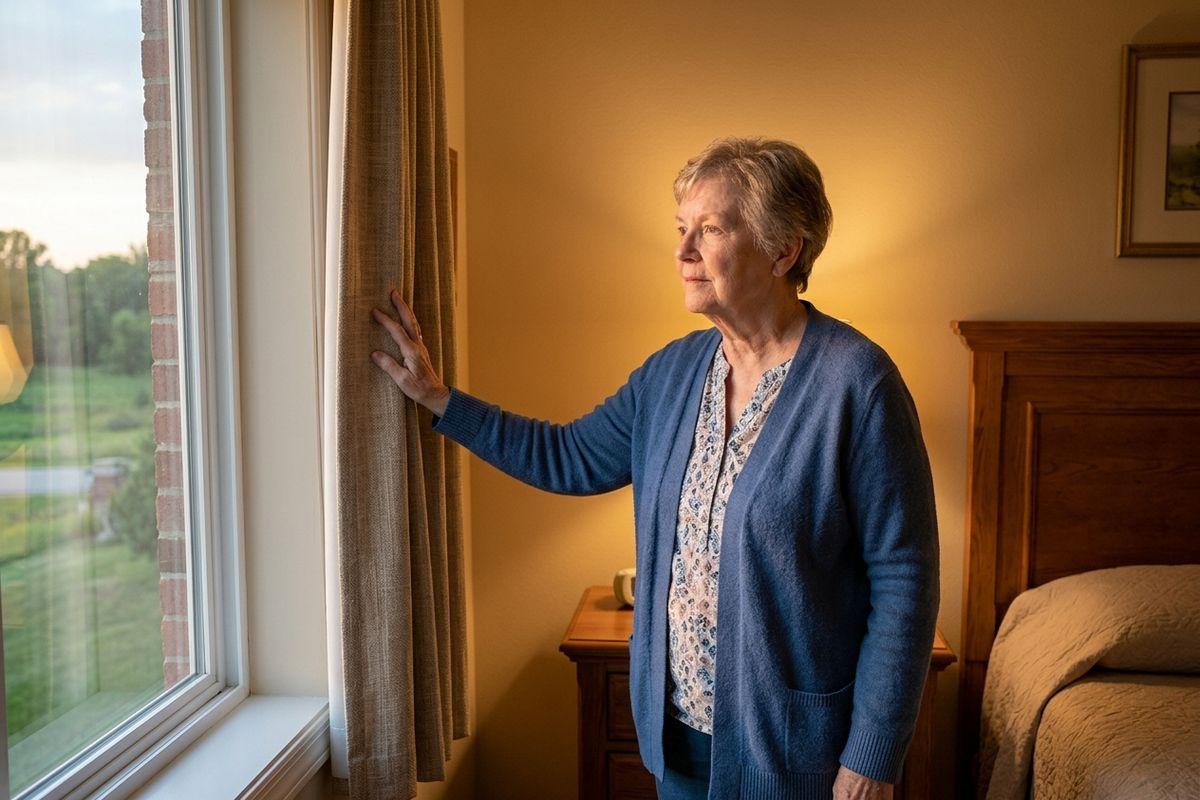
You’ve heard it from your loved one more than once. Maybe it comes right after dinner, or while you’re helping them with their sweater. They’re sitting in the living room they’ve spent years watching TV in. And they look at you before saying they want to go home.
When someone living with Alzheimer’s asks to go home, they’re usually reaching for a feeling of comfort and safety. That’s why warmth and reassurance should be the essence of your response.
Our team at All American Assisted Living at Hanson understands how heavy this can feel. And we’d like to share with you gentle ways to support a loved one with Alzheimer’s through these moments.
What “Home” Really Means to Your Loved One
Home carries memories of quiet mornings. It’s the scent that wafts through a familiar kitchen. It’s the people who made life feel steady. For your loved one, the word may refer to a childhood house, a first apartment, or a time when everything made more sense.
This can happen at any stage of Alzheimer’s. Some families hear it early on, others much later. The common ground is that the words point to something emotional rather than something geographic.
Why It Happens Even When They Are Home
Memory changes can blur time and place. Your loved one may be sitting in their own recliner, but in their mind, they may be somewhere else in 1973.
Rooms that felt familiar this morning may not feel familiar in the evening. That shift can leave your loved one searching for a place where everything feels safe. And sometimes, it leads to wandering behavior.
How to Respond in the Moment
Your reaction matters, so it’s important that you know how to compose yourself.
- Stay calm and skip the debate about where home is. Correcting the details often adds distress.
- Acknowledge the feeling underneath the words. Your loved one may be lonely, tired, or unsettled.
- Offer reassurance that they’re safe and cared for right where they are.
Simple Phrases That Soothe
Ground your response in compassion and love. A few gentle phrases can carry you through these moments.
- “You’re safe here.”
- “You’re not alone right now.”
- “Home sounds wonderful. What was it like?”
- “Come sit for a minute and rest.”
Repeating their own words back gently shows you’re listening. It’s also wise to know what to avoid saying so as not to cause further confusion.
Common Triggers Behind the Request
The words often arrive when something feels off. Once you spot the pattern, you can resolve the underlying issue before it grows.
- Hunger, thirst, tiredness, or physical discomfort
- Loneliness, boredom, or worry about something unfinished
- A loud television, a crowded room, or too much clutter
- Surroundings that feel unfamiliar in that moment
Time Patterns Worth a Closer Look
Many families notice more restlessness in the late afternoon and early evening. Keep a simple log on your phone or a notepad. Jot down the time, what was happening, and what helped your loved one wind down. After a week or two, the patterns tend to become clear.
Ways to Redirect and Comfort
Redirection is an invitation into something warmer. Once your loved one lets go of their worries, the moment naturally eases.
- Open a photo album and let them share the people inside
- Play music from their favorite decade while you fold laundry together
- Offer a favorite snack, a warm drink, or a soft blanket
- Step outside for a short walk and fresh air
These actions help shift your loved one’s attention gently. And the request often quiets once comfort takes its place. Familiar songs can be especially soothing.
Small Touches That Make a Space Feel Familiar
Try to decorate the space with something that introduces familiar comfort. A room filled with personal keepsakes feels different from an empty one. Frame the wedding photo and hang the quilt they’ve had for decades.
Scent and texture matter too. Fresh coffee in the morning or a worn cardigan on the chair can signal safety. These objects can sometimes provide more reassurance than you’d imagine.
Final Thoughts on Comfort, Care, and Next Steps
Compassion matters more than correction. Every time you answer with kindness, you give your loved one the feeling of home they’re asking for.
All American Assisted Living at Hanson offers assisted living, memory care, and respite care. Our community sits in a calm rural setting near Whitman and Hanson. Our team can walk you through different lifestyle options and answer all the questions you have about senior living.
Reach out to us today to schedule a visit to our community. We’d be happy to show you and your loved one the suites. See for yourself how bright daily life is here.